
Committed to Enhancing Neighborhood Green Spaces
Jump to:
- Overview
- Vision & Community Goals
- Project History & Community Engagement
- Commitment to Community Compatibility
- City Approval Process Overview
- FAQs
 Overview
 Overview
The Redwood Heights Association (RHA) is sponsoring the development of a skate ramp at Redwood Heights Park.
The proposal is to construct a semi-permanent wooden ramp for skating. The project utilizes existing, underutilized open space within Redwood Heights Park without increasing the park’s overall physical footprint.
How the Skate Ramp Project Began
The idea for the Redwood Heights skate ramp grew out of a series of community design-thinking sessions held in 2017, where neighbors came together to answer a simple yet powerful question: What is a Park? From those conversations, a vision emerged, a dream project to reimagine Redwood Heights Park as a vibrant, inclusive space for all ages. The vision includes sustainable features, flexible spaces for meetups and activities, and amenities for everyone, from young children to teens to older adults.
While the pandemic paused significant redevelopment efforts, the Redwood Heights Association committed to moving the dream forward, piece by piece. The skate ramp is one of those pieces.
Though the park already serves younger children well, there are few options for older kids and teens. That gap, combined with the relative affordability of building a ramp, made this project a practical next step. It’s a response to an underserved age group in our neighborhood, and a reflection of our continued commitment to building a park that welcomes and inspires all. The ramp will also be available to the Redwood Heights Recreation Center’s after-school program, Rockets, providing an additional outlet for active play and skill-building.
Location & Design
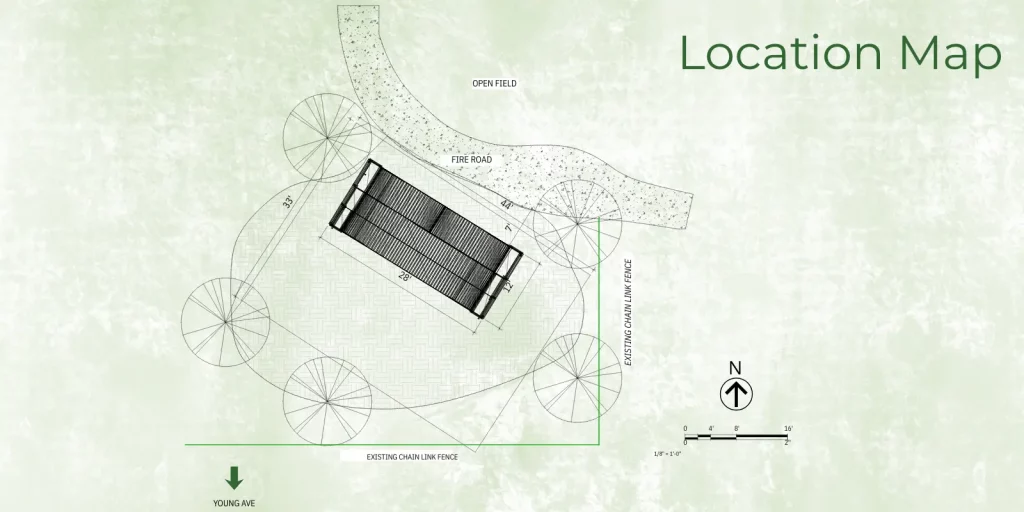
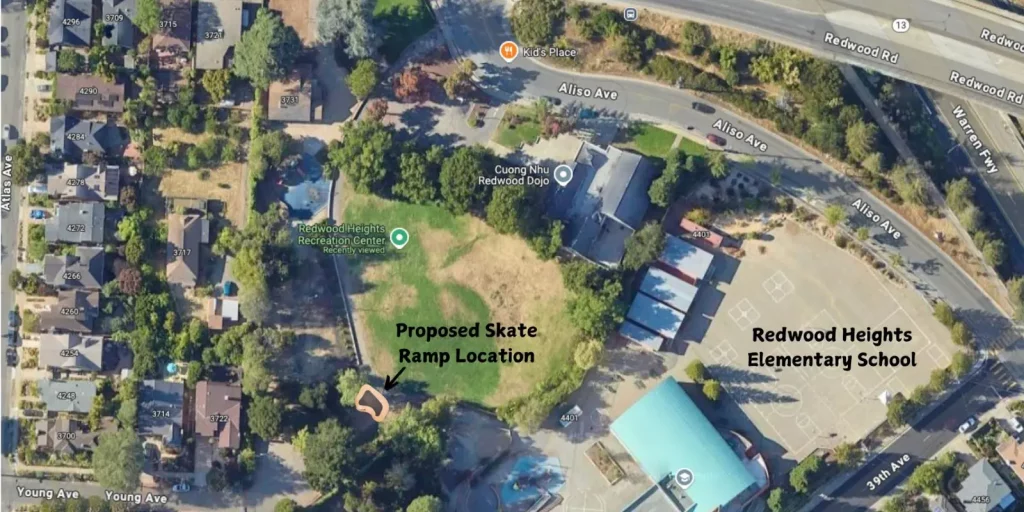
The skate ramp will be located along the fire road within Redwood Heights Park, nestled in a natural bowl below the Young Avenue entrance and surrounded by trees and vegetation. This setting offers built-in sound-dampening features that help minimize noise and visual impact. The site is accessible and visible from the park entrance and nearby roads, including Aliso and 35th Avenues, while remaining naturally buffered from nearby homes.
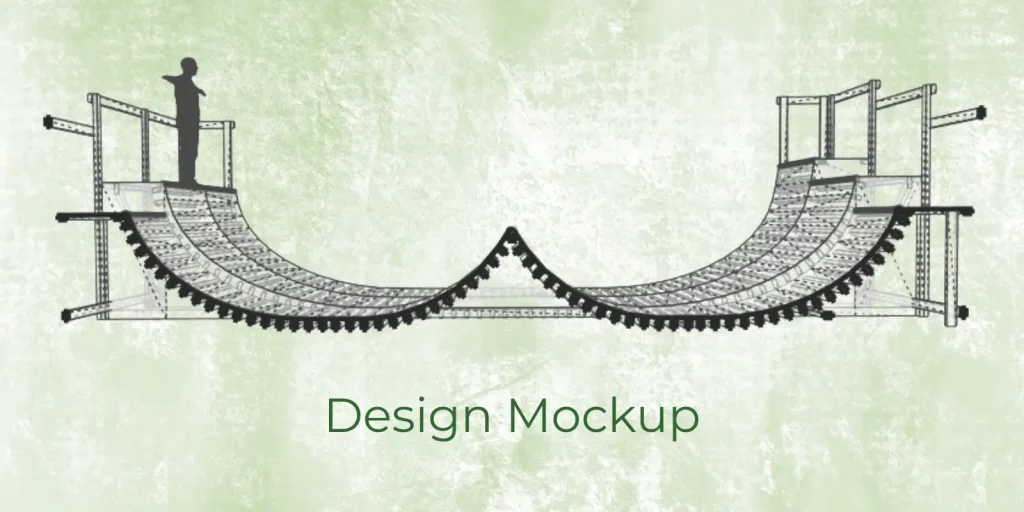
The ramp will be primarily wooden and designed to blend into the surrounding environment. It will use a combination of wood framing, Skate Lite surfacing, and metal railings, each selected with neighborhood compatibility in mind.
Wood is not only cost-effective and sustainable but also naturally quieter than concrete or steel when in use. Skate Lite, a professional-grade ramp surface, is known for its durability, weather resistance, and reduced noise impact compared to harder materials like metal or concrete. Metal railings are included for functionality and safety, but the overall construction emphasizes low-impact materials that absorb rather than amplify sound.
Together, these materials create a structure well-suited to a residential area, minimizing noise, visual disruption, and environmental impact while ensuring a safe, high-quality experience for skaters.
Questions or comments about the design? Send us an email at skateramp@rhaoakland.org.
Allocated Funding
The project is made possible by a gift-in-place donation of $49,000 from the Redwood Heights community and the Association.
Vision & Community Goals
The RHA’s intention for the skate ramp project is to improve community life through recreation. The primary purpose of the project is to offer an engaging recreational facility that supports the City of Oakland’s values of community engagement and healthy living.
Intended Outcomes
- Environment: The location, design, and site planning are intended to provide a convenient, functional environment.
- Neighborhood Asset: The RHA asserts that the proposed development will enhance the successful operation of the surrounding area by supporting its basic community functions or by providing an essential service to the community.
- Fostering Community: It will help foster a greater community of skaters in the area.
- Increased Park Usage: The project aims to increase park use, particularly among young adults and families.
Project History & Community Engagement
The Redwood Heights Park skate ramp project grew out of years of broader community conversations about the future of the park and how it could better serve a wider range of residents, especially teens and older kids.
Ideas related to park improvements, recreation, and gathering spaces have been discussed through Redwood Heights Association events and outreach efforts over many years. This included a 2017 Design Thinking workshop centered around the question, “What is a Park?”, as well as outreach at community events such as the Redwood Heights School Carnival and the Laurel Street Fair.
In 2019, the Redwood Heights Association hosted Love Your Park, a large community event attended by more than 700 people. During that event, RHA unveiled a conceptual “dream park” vision for Redwood Heights Park, which included a skate ramp among many possible future improvements.
In the years since, the skate ramp concept has continued to appear periodically in Redwood Heights Association communications, including annual fundraising letters mailed to approximately 1,500 households in the broader Redwood Heights area.
Like many volunteer-led community projects, the process was not linear. Progress happened in phases over several years, with periods of active planning, fundraising, design exploration, and coordination with the City of Oakland.
The Redwood Heights Association is a nonprofit, volunteer-run community organization that shares information through public events, fundraising mailers, social media, neighborhood listservs, and other open community channels over time. We also recognize that more direct outreach to nearby neighbors earlier in the process would have been helpful, and that is something we will carry forward into future projects.
Commitment to Community Compatibility
The RHA is committed to ensuring the project is compatible with the surrounding neighborhood, with careful consideration of noise and operational safety.
Operational Details
- Use: The facility is designed for individual skating (skateboard, bike, rollerblades, or scooter), with potential for small structured events and education.
- Hours of Operation: The proposed hours are 6 AM to 10 PM (daylight use only – no lighting will be installed)
- Traffic: Most users are likely to drive, walk, take the bus, or skate to the site. The anticipated number of vehicle or pedestrian trips to the site is between 1 and 100 per day.
Noise Mitigation
The skate ramp will be situated below neighboring houses on Young and Atlas and along the fire lane. This location ensures it is accessible and visible from the park entrance and the main roads of Aliso and 35th Avenues, while minimizing disruption. The ramp will be primarily wooden, designed to blend into the surrounding environment. Materials include wood, Skate Lite surfacing, and metal railings.
Maintenance and Safety
RHA established maintenance provisions:
- The Redwood Heights Association will conduct ramp maintenance.
- Site maintenance, including trash cleanup, will be performed by the City.
- A trash bin will be placed near the skate park for participants.

City Approval Process Overview
Because the skate ramp is considered a “conditional use” rather than a standard permitted use, the RHA must secure a Conditional Use Permit (CUP) from the City of Oakland Planning Division. CUPs require special consideration to determine whether a specific use is compatible with the neighborhood.
Steps in the CUP Process
- Application Submission: The RHA, acting as the applicant, has submitted the Basic Application for Development Review, checking the box for a Conditional Use Permit. The property owner is the City of Oakland.
- Required Findings: The City Planning Department will review the application against specific findings outlined in the Zoning Ordinance (Section 17.134.050). These findings require the RHA to demonstrate that the project is compatible, functional, an asset to the neighborhood, and conforms with the Oakland General Plan.
- Parks and Recreation Advisory Commission (PRAC) Review: The RHA presented the project to the PRAC, an important step for park projects.
- On November 13, 2024, the PRAC reviewed the RHA’s request to support the gift-in-place donation and the construction contract, and to support the City of Oakland Planning Division’s approval of a minor conditional-use permit. The PRAC passed the motion to approve the request.
- As part of the City’s review process, Public Notices were mailed and posted to residents within 300 feet of the proposed project site.
- On January 14, 2026, the Conditional Use Permit was approved. With this approval in place, the project is now moving into the final design and permitting phase.
Community Meeting
On March 24, the Redwood Heights Association hosted a virtual community meeting to share information about the Redwood Heights Park skate ramp project, including the project vision, design, city approval process, operations, and next steps.
The presentation from the meeting is available below. Feedback shared during the meeting will inform final considerations for signage, sound mitigation, ramp use expectations, and elements of the final ramp design. The final design may differ from the conceptual mock-up presented during the meeting.
Next Steps
- Finalize Building Permit: Work with the City of Oakland Building Department to complete the required building permit for the ramp installation.
- Finalize Ramp Design: Incorporate final design updates and operational considerations based on project planning and community feedback.
- Ramp Construction: The wooden ramp will be constructed off-site by a builder.
- Ramp Installation at Redwood Heights Park: Once construction is complete, the ramp will be delivered and installed at the park.
The RHA is committed to completing this process transparently and ensuring all city requirements are met to deliver this valuable community resource. We will continue to consider constructive feedback related to the implementation and operation of the skate ramp. Questions related to the project’s approval process are addressed above, and other concerns raised to date are in the FAQs below.
FAQs
Why build a skate ramp at Redwood Heights Park?
The skate ramp creates a safe, positive space for youth and families to stay active and engaged. Skating is already happening throughout the neighborhood—in driveways, sidewalks, and parking lots. This project gives kids a safer, purpose-built space to do what they’re already doing. It also aligns with Oakland’s values of equitable access to recreation, especially for teens and older kids who are often underserved.
How was the location selected?
The ramp will be located along the fire lane, nestled in a natural bowl below homes on Young and Atlas. This location was carefully chosen to minimize both noise and visual impact. It is accessible and visible from main park entrances and roads, but tucked away from heavily trafficked areas. Surrounding trees and vegetation also provide natural sound buffering.
What materials are being used, and why?
The ramp will be constructed with a wood frame, Skate Lite surfacing, and metal railings. Wood and Skate Lite were chosen because they are quieter than concrete or steel, more environmentally friendly, and visually fit with the park’s natural surroundings. These materials reduce sound and make the ramp more suitable for a residential setting.
Will it be noisy?
Noise concerns are valid, and this project includes several built-in mitigation strategies. The combination of Skate Lite surfacing, wood construction, and the ramp’s sunken location all help dampen sound. If noise becomes an issue, RHA is open to adding more landscaping or sound-dampening features over time.
What are the hours of operation?
The ramp will follow City of Oakland park hours (6 AM to 10 PM), but because it has no lighting, it will realistically only be used during daylight hours. This intentional design discourages nighttime use and helps ensure the ramp is used when the park is naturally more active and visible.
Is the skate ramp safe, and what about liability?
Safety is a core consideration of this project. The skate ramp will be designed and constructed to meet City of Oakland standards for public recreational facilities.
Like many features in public parks, the ramp is covered under the California Recreational Use Act. This law protects the City from liability by designating the ramp as a use-at-your-own-risk recreational feature, similar to playgrounds, trails, and sports courts. This protection allows cities to offer recreational amenities without increasing legal exposure.
The ramp is intended for individual, non-competitive use and will not host organized large events or amplified activities. In addition, its availability to the Recreation Center’s after-school program, Rockets, adds structure and supervised use during key hours.
Together, these measures help ensure the ramp is a safe, responsibly managed addition to the park.
What about the aging trees near the ramp site?
We understand concerns about the health and safety of trees in Redwood Heights Park. The proposed skate ramp location was reviewed and approved by the City of Oakland. While RHA cannot control natural factors such as aging trees, we remain committed to staying alert and responsive.
If concerns arise, we will continue to report them through the proper city channels, including Oakland’s 311 system, and will work with city partners to monitor the area over time. The safety of park users remains a shared priority.
Why was this specific location chosen for the skate ramp? Were other sites considered?
Yes, other locations within Redwood Heights Park were considered, including the concrete plaza near the intersection of Aliso Avenue and Redwood Road. While that area may appear suitable, it raises significant safety concerns. The plaza is located near a busy intersection where there have been past traffic accidents, including one incident where a car broke through the barrier and entered the plaza. Because of its proximity to traffic and limited protection from vehicles, it was not considered a safe or appropriate site for a youth-oriented facility.
Additionally, open areas like that plaza are more exposed and can amplify sound. Skateboarding noise would be more likely to carry across the park and into surrounding streets and homes. In contrast, the selected location—along the fire lane and nestled in a natural bowl—is buffered by trees and terrain, which help reduce sound transmission.
This location also provides clear lines of sight from the park entrance and nearby roads, supporting safety and oversight. It was reviewed and approved by the City of Oakland as the most suitable option, balancing accessibility, noise mitigation, and neighborhood compatibility.
Is this ramp permanent?
No. The ramp is a long-term investment, but it is not permanent. It’s built to last, but if serious, ongoing issues arise, the community can reassess. This flexibility ensures we can respond to real needs as they emerge.
Will the ramp attract skaters from outside our community?
New amenities often draw extra attention when they first open, and that’s natural. But the ramp was designed with local use in mind. It is a modest structure with no lighting, located in a walkable residential neighborhood. It’s best suited for everyday use by nearby families and teens, not large gatherings or high-traffic events. Over time, we expect it to become just another part of the park’s regular rhythm.
What if more advanced skaters show up?
That can be a good thing. More experienced skaters often act as informal mentors, helping younger skaters learn safely and encouraging a culture of care and pride in the space. A healthy mix of skill levels supports community, responsibility, and mutual respect.
Why build something new instead of fixing what already exists in the park?
The Redwood Heights Association supports both maintenance and improvement, but for this project, we chose to focus on park enhancement rather than basic repairs. This decision was intentional.
We see the skate ramp as a way to expand who the park serves, especially older kids and teens, who currently have few recreation options in the area. The ramp adds something new and meaningful for a group that has often been left out of park planning. It’s a step toward a more inclusive and equitable space that reflects the full range of community needs.
While we don’t manage city maintenance budgets, we continue to advocate for improved upkeep and have invested in other enhancements over time, including the new pavilion and ongoing landscaping work. As funding allows, we plan to support both improvements and stewardship to make the park as welcoming and functional as possible.
Why not build a pickleball court instead of a skate ramp?
Pickleball is included in the dream design for Redwood Heights Park and remains part of the long-term vision. However, when deciding which project to pursue first, the Redwood Heights Association considered both cost and community need.
The skate ramp is significantly more affordable and directly serves older kids and teens—an age group that currently has few recreational options in the park. We’ve also learned that pickleball, while a popular and growing sport, can generate sharp, repetitive noise that carries farther than skating, especially in open areas. In contrast, the skate ramp is tucked into a naturally sound-buffered location and constructed with materials designed to reduce noise.
This project is one step toward the broader park vision. As resources allow, we hope to continue making improvements that reflect a wide range of community interests.
Is it safe? What about drugs or loitering?
This project is designed to increase safety, not compromise it. A well-used public space discourages unwanted activity. Skating is active and visible, unlike passive loitering, which tends to happen in dark, unused corners. A skate ramp draws young people into purposeful recreation and helps build positive community energy during daylight hours.
There is no evidence that skate ramps increase crime. In fact, they often reduce it by giving teens something constructive to do. The ramp will also be available for use by the Recreation Center’s after-school program, Rockets, adding further structure and supervision.
While no public space is immune from misuse, evidence consistently shows that active recreation deters unwanted behavior. The RHA is committed to monitoring the site and working with neighbors and the city to address any concerns that may arise after installation.
What is the bigger picture?
This skate ramp is part of a larger vision to revitalize Redwood Heights Park. It reflects a belief that all members of our community deserve spaces to play, gather, and grow—including teens. It’s not about fear. It’s about building a stronger, more connected neighborhood where everyone feels welcome.
Why weren’t neighbors given more notice or information about the skate ramp proposal?
We understand that some residents felt caught off guard by the timing of the city’s public notice. The City of Oakland followed its standard process and issued notices to homes within 300 feet of the proposed site. While the notice period met city requirements, it unfortunately fell during the holiday season, which made it harder for some neighbors to review the information and respond within the timeframe.
As a small, volunteer-led organization, the Redwood Heights Association has shared updates informally over time, but we recognize that clearer communication earlier in the process would have helped. We are committed to being more proactive moving forward and welcome ongoing conversation to ensure neighbors stay informed and involved.
Why did some neighbors feel they weren’t informed earlier about the skate ramp project?
The skate ramp emerged gradually over many years as part of broader conversations about future improvements to Redwood Heights Park. Because the project evolved over time and was discussed through a variety of community events, fundraising materials, public meetings, and outreach efforts, not everyone encountered the information in the same way or at the same time.
In hindsight, more direct outreach to nearby neighbors earlier in the process would have been helpful, and that is a lesson we will carry forward into future projects.
Transform Redwood Heights Park! Your support makes it safer, greener, and more welcoming for all.
Support Park Projects
Learn About Events at the Park
GET IN TOUCH


